The Research Agent Reports “New.” Except Nothing Has Changed
New URLs are not necessarily a new development. A dependable research agent needs a stored previous state, an evidenced difference, and a named recipient.
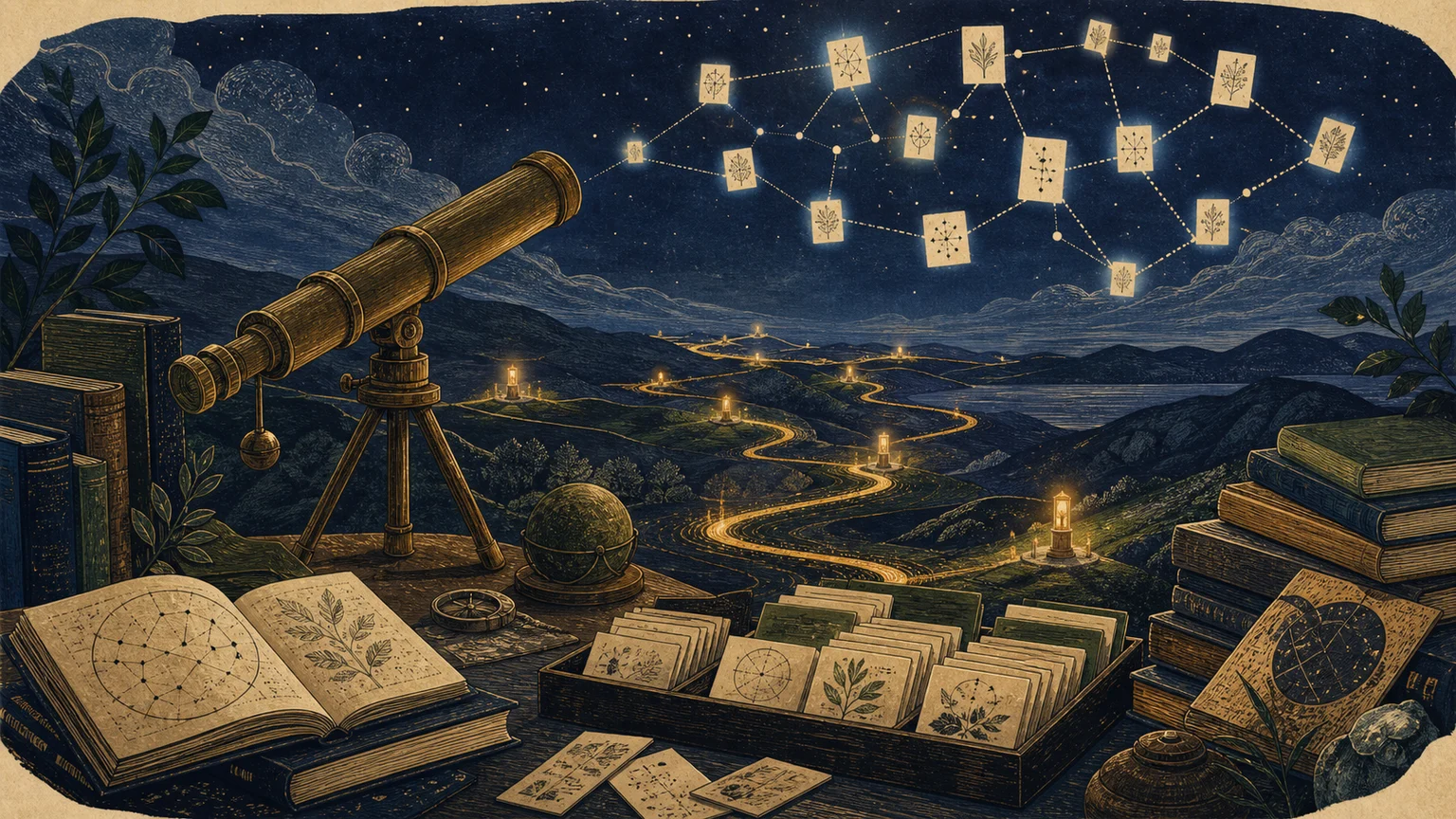
On Monday morning, 17 new results are waiting in the inbox. Three lead to the same press release, five merely have a new headline, four copy one another, and the rest mention the product only in passing. The agent diligently summarises the lot and reports an “important development.” In reality, not one defensible sentence about price, API, or contract has changed.
This is not a documented incident. It is the typical false alarm produced by badly designed monitoring. A search engine can find new URLs. A research agent can follow them, ask further questions, and write a report. But how does a continuously running system determine that the world has changed, rather than the packaging around the same information?
Search is only the first half
Gemini Deep Research shows how far agentic research has advanced. Through the API, the agent can plan an investigation, search sources, and connect its findings into a report. Google explicitly treats this as a long-running process: the task starts in the background, while an application polls its status or receives intermediate steps as a stream. One prompt therefore launches a loop of planning, searching, reading, and reasoning.
Chroma Context-1 tackles a different bottleneck. During multi-step research, the working context quickly fills with useful, incidental, and duplicate findings. Context-1 decomposes questions, searches iteratively, and removes passages that are no longer needed for the next step. Chroma describes a 20-billion-parameter model trained on more than 8,000 synthetic tasks that, in the company's own evaluations, performs inference up to ten times faster than the larger models it compared.
Both approaches improve search. Neither yet answers the question raised by Monday's inbox. An agent can research faster and more deeply while still mistaking every reworded product page for news.
Without yesterday, there is no “new”
The missing component is not another model, but a stored previous state. Every monitored claim needs a small case file: source, retrieval date, relevant passage, validity period, and a hash or version of the document. It should also contain one sentence explaining why that claim matters to the team.
On the next run, the agent compares new findings with that record rather than with a vague memory. A redesigned navigation menu is not yet a product change. Ten articles repeating the same announcement are not ten pieces of evidence. A new pricing threshold, a different API status, or a changed permission rule may be a signal—provided a primary source makes the old and new states traceable.
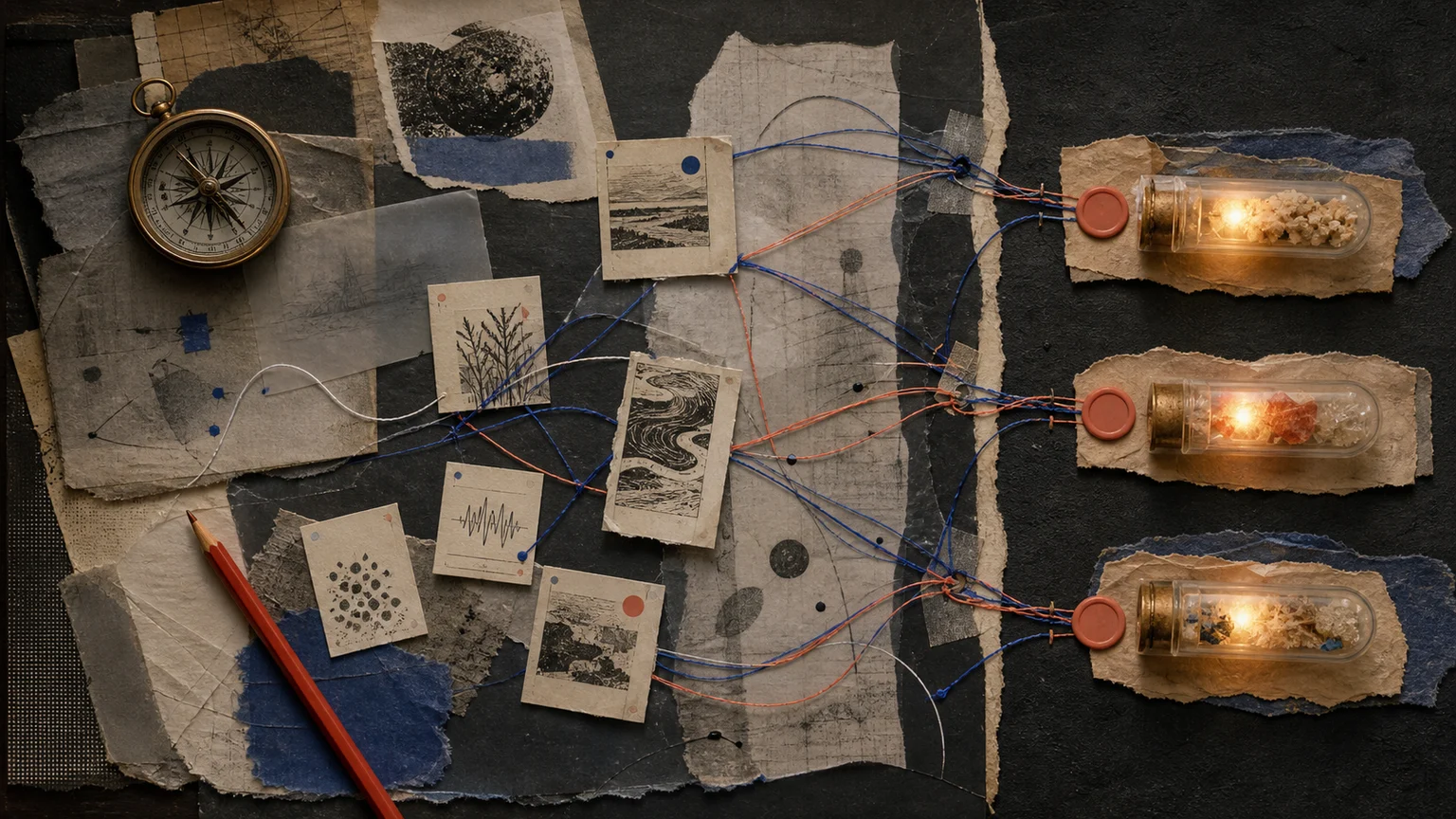
This is the real turn: without a reconstructable yesterday, the agent may not use the word “new.” At most, it can say that it found something for the first time today. That is a claim about its search, not about the world.
Workflow outside, agent inside
Anthropic distinguishes between workflows with predefined code paths and agents that dynamically choose their steps and tools. Continuous monitoring needs both. The workflow defines when to search, which sources are permitted, which claims are being watched, and when a run must stop. The agent handles only the part that does not fit neatly into rules: finding additional evidence, explaining contradictions, and judging the meaning of a difference.
The output should therefore not be another universal report. It needs four clearly separated parts: the old state, the new state, evidence for both, and a marked uncertainty. Interpretation comes only afterwards. If either state is missing, the change remains unproven.
A change needs a recipient
Even a correctly detected difference is not yet a result. It must arrive at a named decision. Does someone need to test an integration, review a contract, update a product card, or change documentation? Without a recipient and a consequence, the agent produces only better-organised reading material.
This also answers the opening question. An always-on research agent does not become an observer merely by searching without pause. Deep Research gives it reach, self-editing context keeps the trail manageable, and agentic planning helps with unexpected branches. The system becomes dependable only through three unglamorous things: a stored yesterday, an evidenced difference, and a person or process that must do something with it. The search engine finds what is new to the agent. The difference engine identifies what is new to the team.