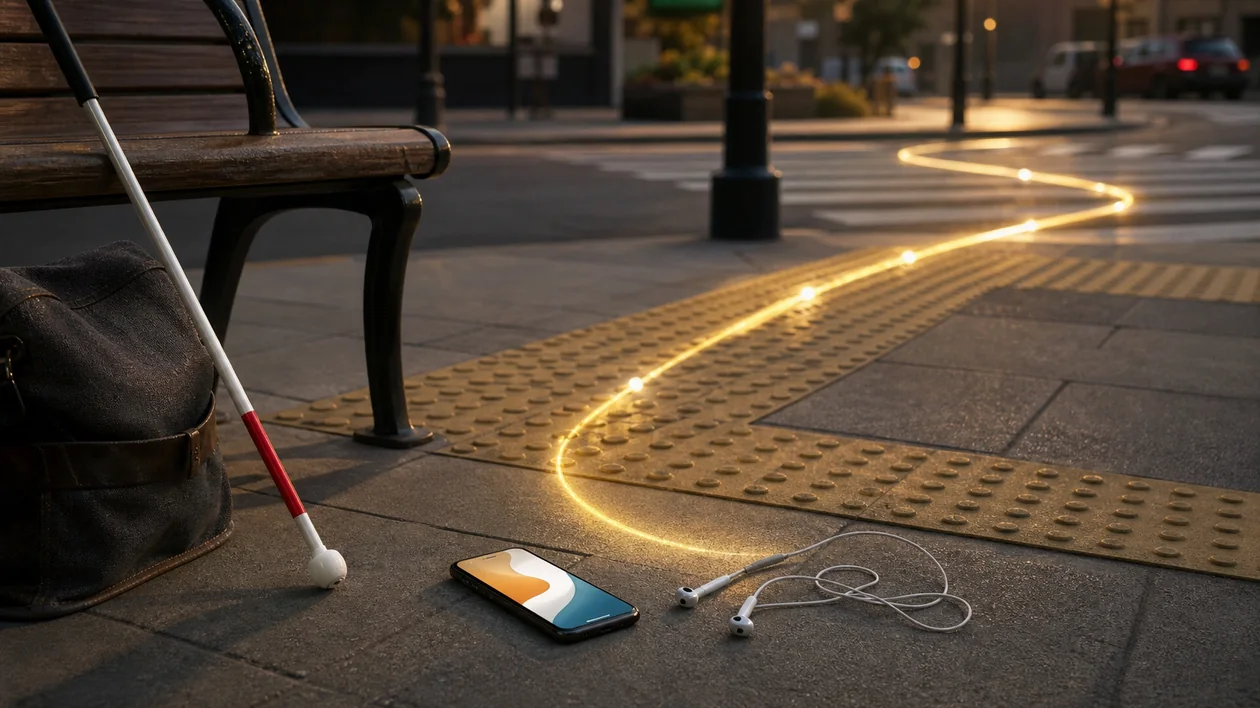
Be My Eyes is an accessibility platform for blind and low-vision people. Through the app, a person can reach volunteer helpers, companies, or AI-powered visual assistance through live video. Its practical centre is personal agency: the camera shows only what the user consciously shares, and help is requested for a specific situation, such as reading a label or identifying an object.
The product is more than a volunteer hotline. The current platform includes Be My AI, a Service Directory for companies, desktop access, and smart-glasses offerings. It does not replace personal assistance or professional judgment for health, law, money, or immediate danger.
Who is Be My Eyes for?
- Blind and low-vision people who want brief visual help in everyday life.
- Volunteers who want to assist a specific request by video.
- Companies making customer help available through trained people.
- Accessibility teams learning where human contact serves people better than image recognition alone.
Be My Eyes is not a conventional workflow or automation tool. Its value comes from access and respectful interaction, not from the number of tasks processed automatically.
How assistance works
In the app, a user can choose human or AI-assisted help. During a live request, the camera view is shared for the purpose of assistance. The provider states that volunteers only hear the user's voice and see the camera content that is shared; community help is free and internationally available.
Be My AI can describe a scene or image and answer follow-up questions. That can be useful for orientation and an initial understanding. For ambiguous, personal, or consequential material, a person, official source, or qualified professional is the better cross-check.
Editorial Assessment
Be My Eyes shows how AI can support an accessible product without displacing the person using it. It is an additional route to independence, not an authority that should decide on the user's behalf. Good use begins with transparency: who sees the image, what is being shared, and is this answer reliable enough for the decision at hand?
Start with harmless everyday situations. Do not use a spontaneous video or AI request to handle sensitive documents, credentials, medication decisions, or financial transactions. The same principle applies to companies: the Service Directory can reduce barriers, but it needs trained staff, clear escalation, and a comprehensible privacy process.
Sensible everyday use
- Begin with a non-sensitive object or package.
- Decide whether an AI description is enough or a person would be more useful.
- Avoid placing personal data, screens, or documents in front of the camera unnecessarily.
- Use a second source when an answer is unclear instead of treating it as fact.
- For companies, test availability, language, and escalation before promoting the service.
Strengths and limits
Strengths
- Combines live volunteer help with AI-powered image description.
- Free for blind and low-vision users and volunteers.
- International platform with many languages and access paths.
- Additional options through desktop, Service Directory, and smart-glasses integrations.
Limits
- Image and AI responses can be incomplete or wrong.
- Video shares a real environment and needs deliberate privacy choices.
- Not suitable as the sole basis for emergencies or critical decisions.
- Human-help availability and detail can vary by situation.
Open frequently asked questions
FAQ
Is Be My Eyes medical or emergency support?
No. It can assist with visual understanding but does not replace emergency services or medical, legal, or financial advice. A critical situation needs the appropriate professional service.
What is the difference between volunteer help and Be My AI?
Volunteers assist as people in a live video call. Be My AI provides AI-generated image descriptions and answers. The appropriate option depends on the task, privacy, and confidence required.
What should a company check before connecting its service?
Trained people, reachable escalation, privacy information, permitted topics, and real tests with users. A visible button alone does not make a service accessible.